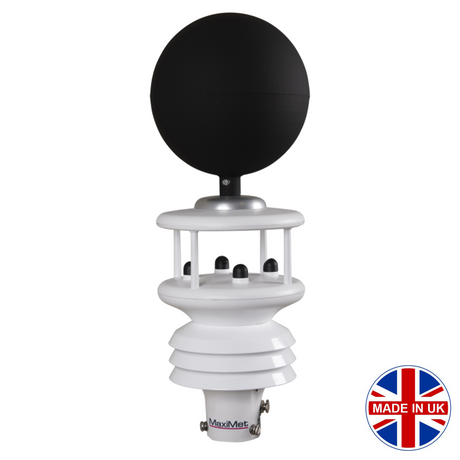
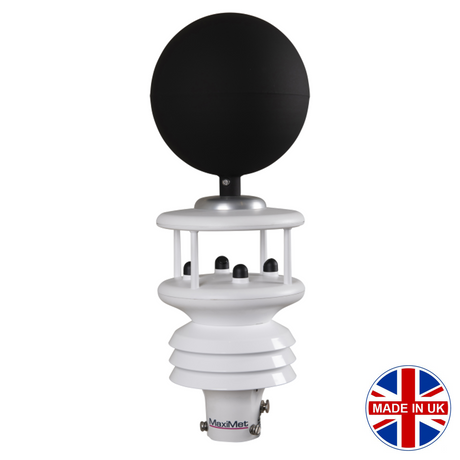
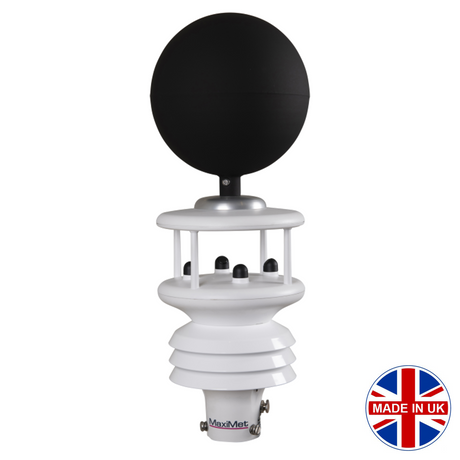
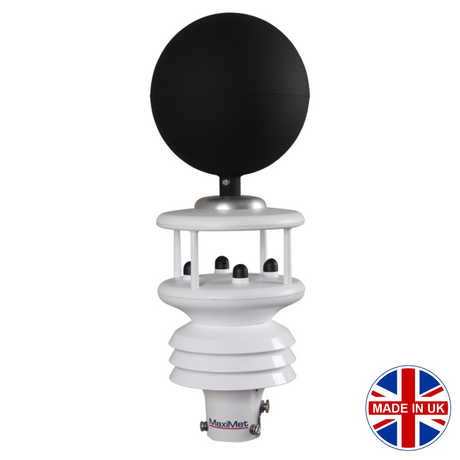
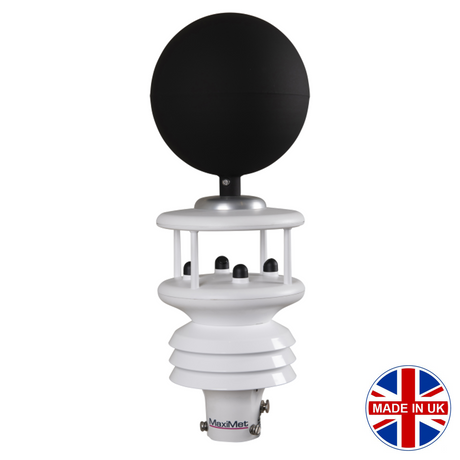
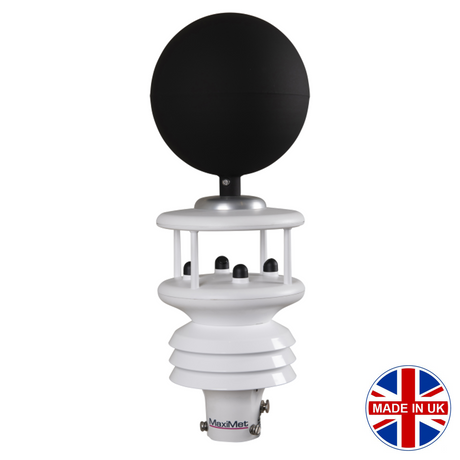
Heat Stress Monitors
(2 products)
Heat stress risks are real to health, safety and productivity. Approximately half of the global population is suffering adverse consequences. From workers on construction sites to farmers to athletes to the military in training, rising global temperatures are creating new dangers. And occupational heat action plans require accurate understanding and measurement of the environment.
Heat stress occurs when the body is unable to cool itself effectively enough to maintain a safe internal temperature. It results from a combination of external heat (from the environment or workplace conditions) and internal heat produced by physical exertion. When heat gain exceeds heat loss, the body's core temperature rises, increasing the risk of heat-related illnesses such as heat exhaustion, heat cramps, and heat stroke.
Unlike ambient temperature alone, heat stress reflects the total thermal burden on the body. This includes environmental factors like air temperature, humidity, radiant heat from the sun or equipment, air movement, and clothing or personal protective equipment (PPE) that can limit heat dissipation.